Long before Tarpon Dreams™ existed, I was documenting fishing trips, mapping productive areas and building a personal intelligence system around the places I fished.
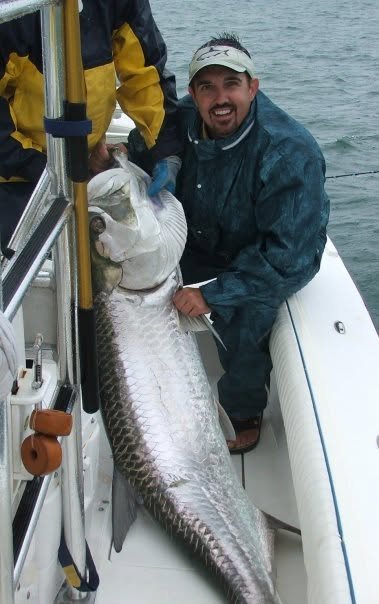
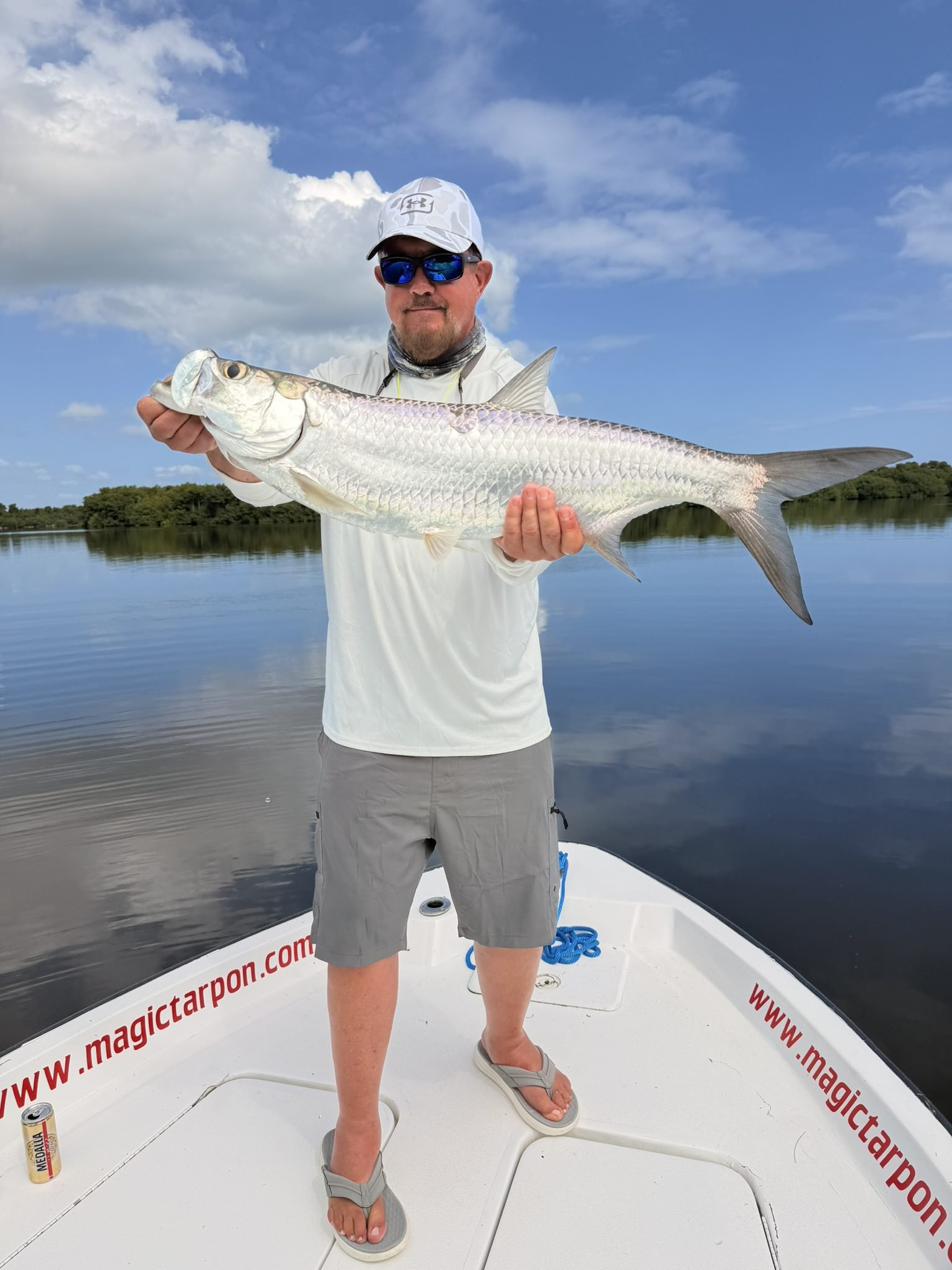
The photographs captured the fish. The real fishing journal captured everything that helped explain why the fish were there.
Mapping More Than Fishing Spots
I began using early digital mapping tools, including Keyhole and later Google Earth, to record productive shorelines, flats, channels, bridges, docks, potholes and deeper transition zones.
These were not simply pins marking where a fish had been caught. I documented how fish entered an area, where they held during changing conditions and which routes they appeared to follow as water levels, current and bait movement changed.
Studying the Conditions
Each trip added another layer of information.
I tracked tides, current direction, wind, water depth, bait concentrations, structure, seasonal patterns and the results of the day. Just as important, I recorded what did not work.
Over time, isolated observations began forming recognizable patterns. A dark pothole on a shallow flat could become a resting or safety zone. A narrow channel could serve as a travel corridor. A subtle depth change could become the edge tarpon, snook or baitfish used as the tide moved.
Reading Water From Above
Years of time on the water taught me how to study satellite imagery before arriving at a new location.
I learned to identify likely ambush points, current funnels, deeper depressions, shoreline edges and routes connecting shallow feeding areas with deeper water. The map did not replace fishing experience. It helped me apply that experience faster and begin each trip with a more informed plan.
That preparation became especially valuable when exploring unfamiliar fisheries. Instead of arriving completely cold, I could identify the areas most likely to deserve time, observation and a closer look from the boat.
Building the Tarpon Dreams™ Intelligence Layer
That early Google Earth fishing journal was the beginning of what is now developing into the Tarpon Dreams™ Destination Intelligence Layer.
The system is expanding beyond personal fishing notes to include destination research, seasonal fishing patterns, guide access, lodging, travel logistics, local experiences, field observations and firsthand documentation.
The tools have improved, but the process remains the same:
Observe carefully. Record what matters. Look for patterns. Return with better questions. Share what can help the next angler plan a better trip.
Tarpon Dreams™ is not being built from generic travel copy or a collection of fish photographs. It is being built from decades of fishing experience, mapping, field research and a natural habit of turning time on the water into useful intelligence.