Tarpon Fishing Tackle: What Do You Really Need?
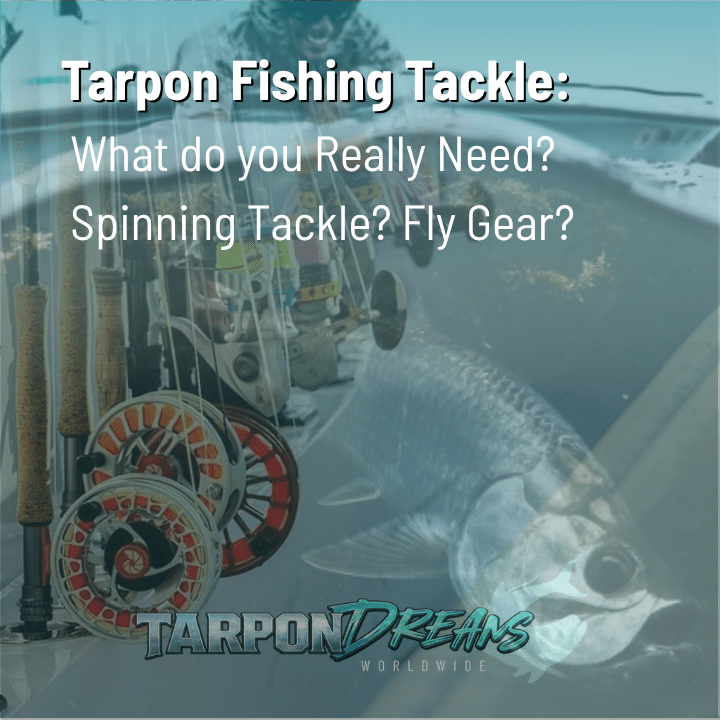
Tarpon fishing tackle gets complicated when anglers start shopping for the fish in their imagination instead of the fishery they are actually going to fish.
A 15-pound juvenile tarpon in a protected lagoon and a 150-pound adult moving along an open beach are both tarpon.
They are not the same tackle problem.
That is why the first question should never be:
What is the best tarpon rod?
The better question is:
Where am I fishing, what size tarpon am I likely to encounter, and how am I going to target them?
Tarpon fishing tackle gets complicated when anglers start shopping for the fish in their imagination instead of the fishery they are actually going to fish.
A 15-pound juvenile tarpon in a protected lagoon and a 150-pound adult moving along an open beach are both tarpon.
They are not the same tackle problem.
That is why the first question should never be:
What is the best tarpon rod?
The better question is:
Where am I fishing, what size tarpon am I likely to encounter, and how am I going to target them?
Answer those questions first.
Then build the tackle around the fishery.
Tarpon Tackle: Match the Tackle to the Fish
Tarpon range from small juveniles tucked into mangrove creeks and lagoons to giant migratory fish moving along beaches, passes and offshore edges.
The tackle should change with them.
Appropriate tarpon fishing gear gives an angler enough control to fight a fish efficiently without turning every hookup into a prolonged endurance contest.
Too much tackle can make smaller fish miserable to cast at and remove much of the fun.
Too little tackle can extend fights unnecessarily, reduce control around structure and make a clean release more difficult.
The goal is not to fish as light as possible.
It is to fish as appropriately as possible.
And if you are traveling somewhere new, one of the smartest things you can do is ask the local guide what actually works there.
THE BEST GEAR FOR TARPON
TARPON FISHING TACKLE
Conventional Tarpon Rods and Reels
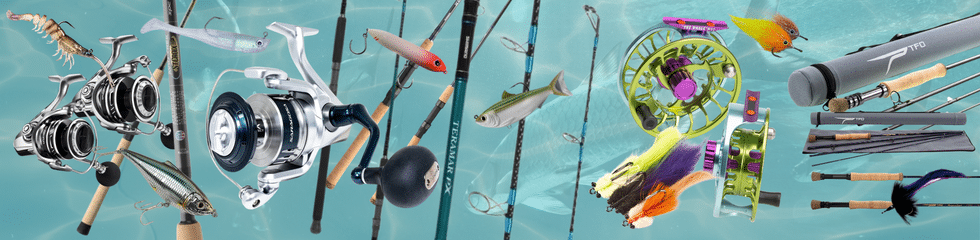
There is no single spinning or conventional outfit that makes sense for every tarpon fishery.
Juvenile tarpon can often be targeted effectively with quality inshore tackle.
Larger fish require substantially more line capacity, drag capability and rod power.
The exact tarpon fishing rod and reel setup also depends on how you are fishing.
Casting artificial lures in a lagoon is different from drifting live bait through a pass.
Working around bridges is different from fishing open water.
Throwing lightweight plastics is different from sending a large bait into heavy current.
Rod length, power, action, reel size and line capacity should all make sense together.
A heavy reel on a rod designed for lighter presentations does not create a balanced tarpon outfit.
Neither does putting heavy braid on equipment that was never intended to handle the pressure.
Think of the entire setup as a system.
Braided Line and Main Line
Braided line is common in modern tarpon fishing because it provides high strength at relatively small diameter.
That gives anglers good line capacity while maintaining direct contact with the fish.
But line strength is not simply determined by how large the tarpon might be.
Structure matters.
A fish hooked in open water gives an angler room to work.
A tarpon hooked near mangroves, pilings, docks, bridges or abrasive structure may require substantially more control because the fish only has to reach one obstacle to end the fight.
Current matters too.
So does lure weight.
So does reel capacity.
So does the drag system.
There is no universal braid number that works everywhere.
Once again:
The water determines the setup.
Tarpon Leader: Where the Details Matter
A tarpon leader deserves more attention than many anglers give it.
Tarpon have extremely abrasive mouths, and a leader must balance several competing demands:
- abrasion resistance
- presentation
- water clarity
- fish size
- structure
- lure or bait choice
- casting performance
A heavier leader may make perfect sense around larger fish, rough structure or heavy current.
Clear water and heavily pressured fish may require a different compromise.
Leader length and construction can also change depending on whether you are throwing artificial lures, fishing live bait, dead bait or flies.
This is one area where copying somebody else's rig from another destination can create more problems than it solves.
Understand why the leader was built that way.
Then decide whether the same logic applies to your water.
Hooks: Strong, Sharp and Appropriate
Tarpon demand good hooks.
That does not necessarily mean the largest hook you can find.
Hook style and size should match the bait, lure, tackle and fish being targeted.
A hook that overwhelms a small bait is not useful.
Neither is a hook that lacks the strength for the fish and tackle being used.
The universal rules are simple:
Use quality hooks.
Keep them sharp.
Replace damaged or questionable hooks.
And follow the current regulations for the destination you are fishing.
Circle-hook requirements and other terminal-tackle regulations can vary by fishery and fishing method, so destination-specific rules should always be confirmed before a trip.
Artificial Lures for Tarpon
Tarpon will eat an enormous variety of artificial lures.
- Soft plastics.
- Swimbaits.
- Hard-bodied plugs.
- Suspending baits.
- Topwaters.
- Jigs.
The list can become endless very quickly.
That does not mean you need all of them.
The more important questions are:
What forage are the fish seeing?
How deep are they holding?
How fast is the water moving?
How clear is the water?
Are the fish feeding aggressively, or are they simply moving through?
Your lure should solve the fishing problem in front of you.
That may mean matching a small baitfish profile.
It may mean getting deeper.
It may mean creating vibration or flash.
It may mean making a very subtle presentation.
Carry proven options.
Do not carry the entire tackle shop.
Live Bait
In fisheries where live bait is appropriate and legal, bait quality and presentation can matter far more than having an exotic tackle collection.
Local forage changes from destination to destination.
So do rigging methods.
A guide who fishes that water every week usually knows what the tarpon are seeing, which baits are most productive and how those baits should be presented under current conditions.
That makes bait fishing another area where local knowledge beats assumptions.
Before packing half your garage into a suitcase, ask the captain what you actually need.
Fly Fishing for Tarpon | Fly Fishing Gear for Tarpon...
Fly fishing gear for tarpon changes dramatically with the fishery.
A juvenile tarpon program in protected water is very different from targeting large adults in wind, current or open water.
- Rod weight matters.
- So does reel capacity.
- Backing.
- Fly line.
- Leader.
- Fly size.
- Casting distance.
And sometimes the biggest tackle variable is not the tarpon at all.
It is the Wind.
An outfit may be perfectly capable of fighting the fish but poorly suited to delivering the fly under the actual conditions.
If you are traveling specifically to fly fish for tarpon, ask the guide for an exact recommendation before the trip.
“Bring tarpon gear” is not enough information.
TARPON FISHING TACKLE
Before You Fly With All That Tackle
Travel creates another layer of decisions.
Before checking rod tubes and filling luggage with reels, leaders and lure boxes, find out what the guide or lodge already provides.
Many established tarpon operations supply quality rods, reels, terminal tackle and bait.
Using their equipment may eliminate unnecessary baggage and give you access to setups already proven on that water.
If you strongly prefer your own tackle, bring it.
But make that decision intentionally rather than assuming you have to transport everything yourself.
Planning a tarpon trip?
Start with the destination, the fishery and the experience you actually want.
The Gear People Forget...
Some of the most important tarpon fishing gear has nothing to do with catching tarpon.
- Sun protection.
- Polarized sunglasses.
- A good hat.
- Rain protection.
- Water.
- Appropriate footwear.
- Dry storage.
- Basic personal first-aid items.
- Motion-sickness preparation when necessary.
These things can have a much greater effect on your fishing day than owning one more lure.
In tropical destinations especially, sun protection and hydration are equipment.
Treat them that way.
What Should You Bring vs. What Should the Guide Provide?
There is no reason to duplicate equipment unnecessarily.
Before traveling, ask your guide or lodge:
What rods and reels are provided?
What line and leader systems do you normally use?
Do you provide artificial lures?
Is bait included?
Should I bring my own fly tackle?
Are there any specialty items you recommend?
What do anglers commonly bring that they really do not need?
That last question can save a surprising amount of luggage.
A guide using equipment specifically selected for that fishery may already have a better setup waiting for you than the one you planned to bring from home.
Gear Should Solve Problems
Tarpon Dreams is never going to become another giant tackle catalog.
There are already plenty of those.
Gear belongs here when it solves a real problem.
Something protects you from the sun.
Something keeps equipment dry.
Something makes travel easier.
Something casts better.
Something holds up around structure.
Something has repeatedly earned a place on the boat.
That is the standard.
TARPON FISHING GEAR
Want to see the tarpon tackle and fishing gear that has actually earned a place in our system?
TARPON FISHING TACKLE
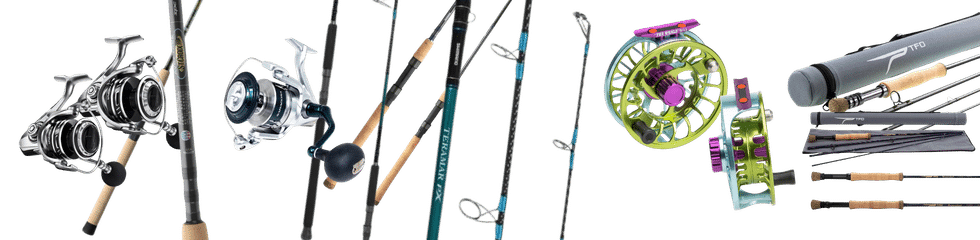
My "Go To" Mature Tarpon Rod and Reel, (75lbs to 200lbs) ...
Is a Shimano Saragosa 8000 Spinning Reel paired with the Shimano Terramar SE 8' XXH.
For Smaller Tarpon, I go with a Saragosa 5000 Paired with a Shimano Terramar SE 7'6" MH/H
JUVENILE TARPON GEAR
When I am traveling and targeting Juvenile Tarpon 15-40lbs, I will often pair my Saragosa 4000 or 5000, or Stradic 4000 with a St. Croix Avid Trek Travel Rod. 7'6" MH (3pc).
For Travel and Spares for Remote Fishing, Friends, Extras Just in Case, I really like the Piscifun Nautilus 4000 & 5000. I fish those on a Bass Pro Shops, Ocean Angler Travel Rod. 7'6" MH (3pc).
For Fly Fishing, I use a Risen Fly "Whale" 9/10/11 paired with a TFO 10WT. I have a few models. Check out there NEWER Lines for the BEST Match for Saltwater.
Personally, I do not Target Large, Mature Tarpon on Fly. I prefer to whip a big fish fast and get it back on it's way. I can only do that predictably, with Spinning Gear. That is not an opinion or slant on people that target big fish. I have seen people whip a 120lb fish on fly faster than most people do with Spinning Gear. We all have our preferences. And my Preference is CATCHING Them! 
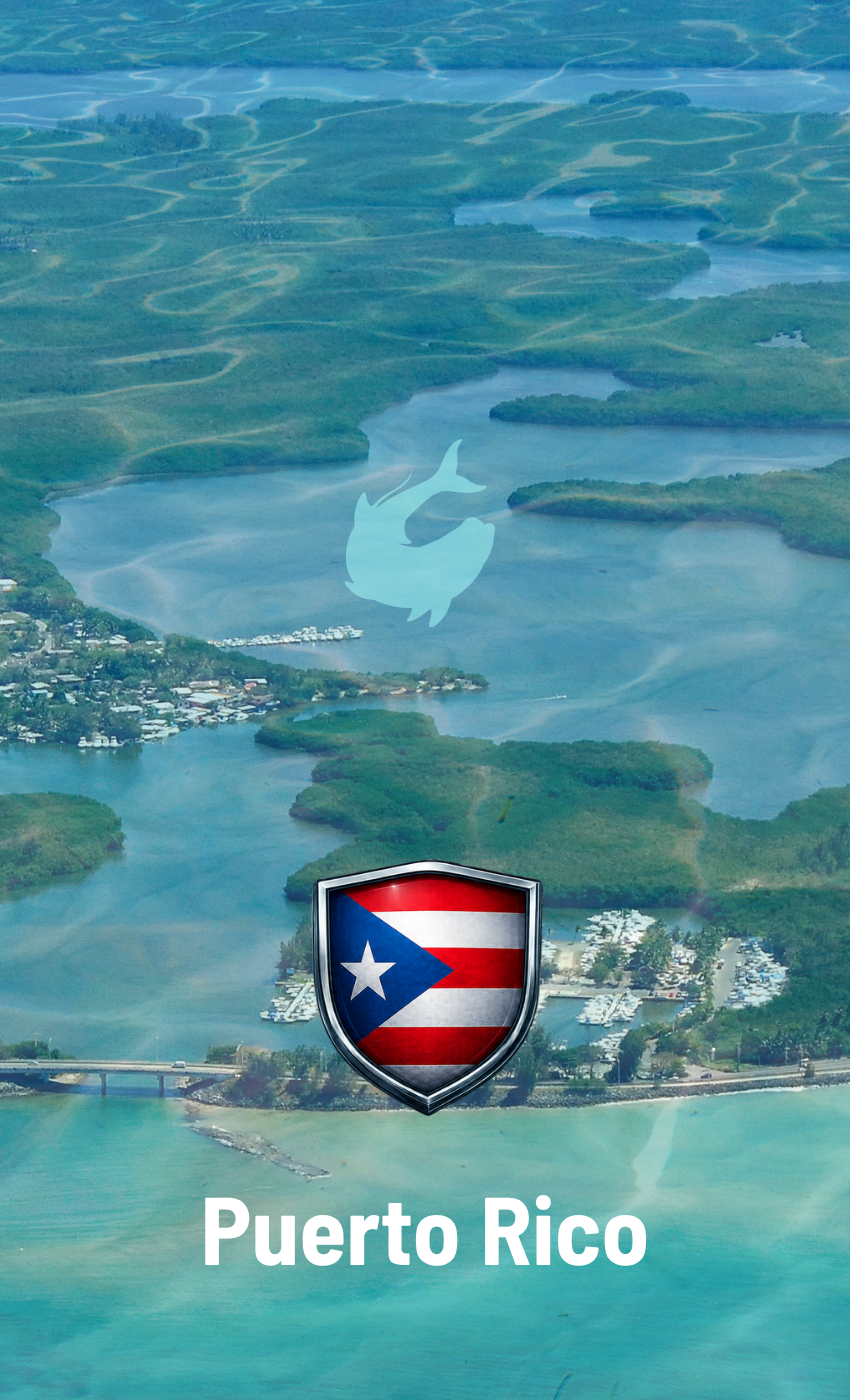
PUERTO RICO: THE JUVENILE TARPON CLASSROOM
Laguna La Torrecilla
The more we understand the habitat, the better we understand the destination.
FISH · TRAVEL · EXPLORE · WEAR IT

The Best Time Depends on the Tarpon Experience You Want
There is no useful answer to “When should I fish for tarpon?” until we know what you are trying to do.
Want Giant Migratory Fish?
Follow the major migration.
Timing becomes more important because you are targeting a moving population.
Want Juvenile Tarpon and More Frequent Opportunities?
Look toward productive nursery and resident systems.
The calendar may become much wider.
Want Technical Sight Fishing?
Water clarity, wind, sun angle and local seasonal patterns may matter more than somebody's generic “best month.”
Want a Couples or Family Trip?
Fishing is only one part of the decision.
Weather, airfare, lodging, beaches, restaurants, activities and general destination quality matter too.
That is why Tarpon Dreams looks at the whole trip, not simply the fishing report.
EXPLORE
The best fishing dates should still produce a trip worth taking when the boat comes back to the dock.
Checkout Some of our Favorite Lodges


Seasons, Tides and Timing...
There are More Factors when it comes to the Best Time to Tarpon Fish...
Visit the Tarpon Resources Page: RESOURCES

Juvenile Tarpon may Be Small...
But the Volume of Information is Massive!
Laguna La Torrecilla
Juvenile Tarpon Puerto Rico
Loiza Puerto Rico
Caribbean tarpon fishing destinations
Atlantic Side
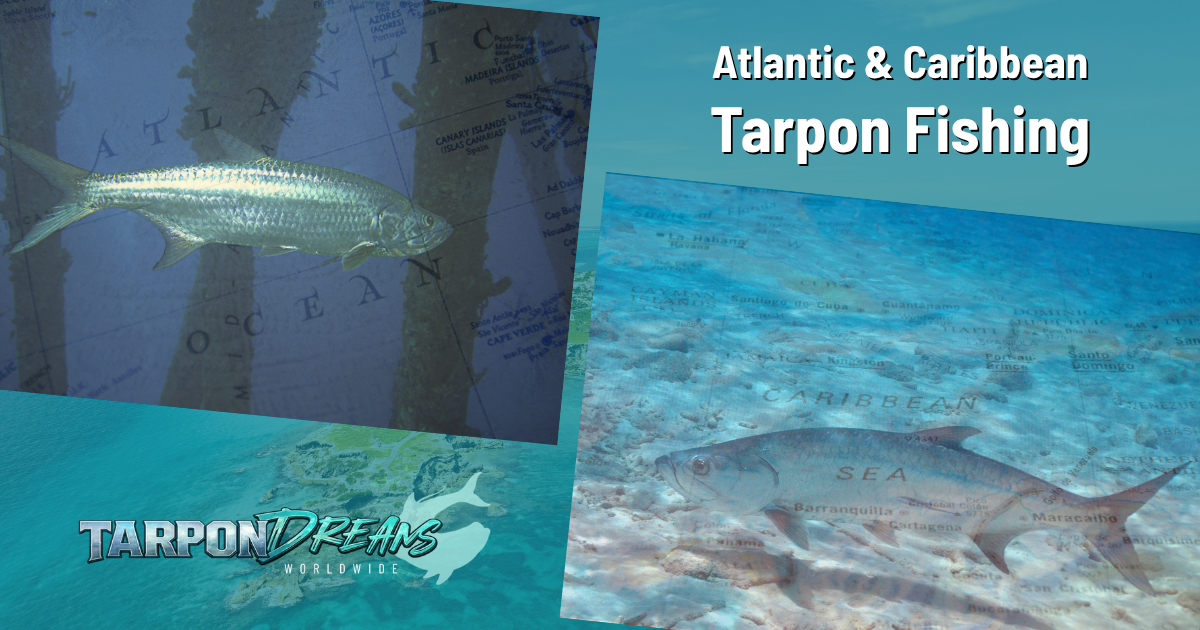
The fish may get you there.
The destination determines whether everybody wants to return.
Safety, Comfort and Personal Tolerance
Adventure means different things to different people.
Some anglers love remote jungle travel, rustic camps and complicated logistics. Others want a comfortable room, dependable transportation and a good restaurant after fishing.
Be realistic. A destination does not become more authentic because you are miserable getting there.
Repeat Visit Value
One of the strongest signals of a great destination is whether you immediately begin thinking about the return trip.
Does the fishery offer different seasons or techniques? Is there more water to explore? Would you bring friends next time? Does the destination work for a short trip as well as a full week?
Repeatability matters because it reveals whether the experience was deeper than a single lucky fishing day.
The TD Destination Test
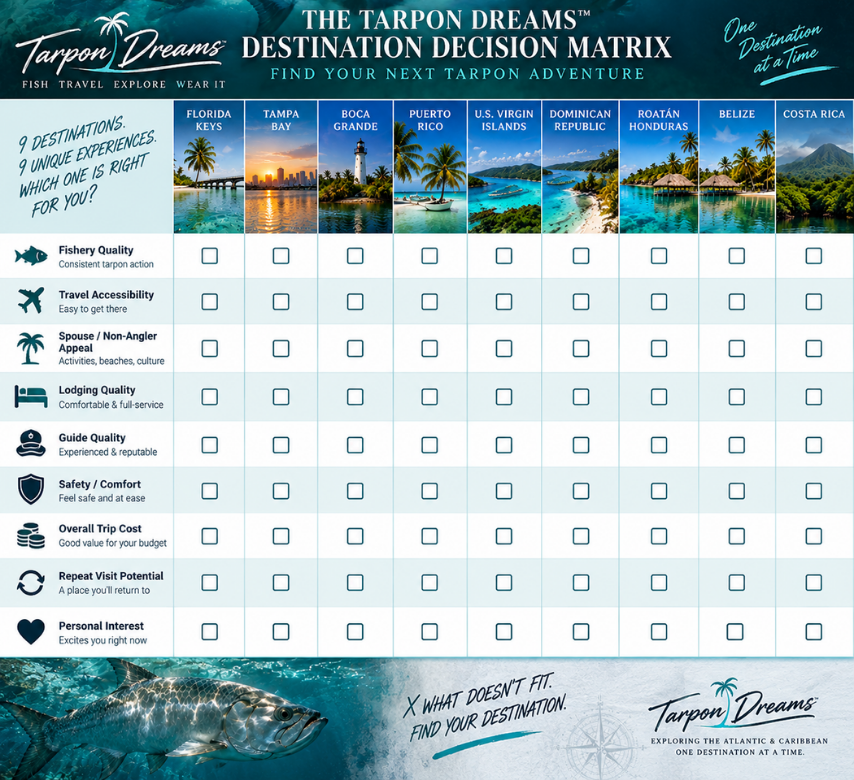
Tarpon Dreams evaluates destinations across fishing quality, accessibility, spouse appeal, lodging, guide quality, partnership potential, safety, repeat value, content value and commercial opportunity.
But the final question is simpler:
Would we recommend this destination to a close friend?
If the answer is not yes, more research is required.
There Is No Best Destination.
There Is a Best Fit.
The angler chasing a 150-pound fish and the father taking a teenager after their first tarpon should not necessarily book the same trip.
The couple who wants two fishing mornings and four days exploring an island has different needs from the group that wants to fish dawn to dark for six straight days.
Choose the trip first.
Then choose the destination that fits it.
The boat eventually comes back to the dock.
Make sure the destination still works when it does.
That makes a Ton of Sense... 


The Best Time to Tarpon Fish Depends on the Destination
The BIG 3 Tools + Tons of Destination Specific Insights...
Tarpon Dreams™ Helps Make the Choice Easy!
The Tarpon Dreams™ Tarpon Trip Timing
THE BEST TIME TO TARPON FISH
Follow Us on YouTube
@TarponDreams
FISH
Your Tarpon Fishing Trip...
Can sometimes be a Tarpon Fishing Vacation: Who is going with You?
Make sure to Plan for EVERYONE... Not Just the Fishing. If it is a FISHING TRIP... Fine. But if a Spouse is Involved...
Make sure the TRIP is Fun for ALL that are Going. Planning a SOLID Itinerary with some of our Tools is Just Too Easy!

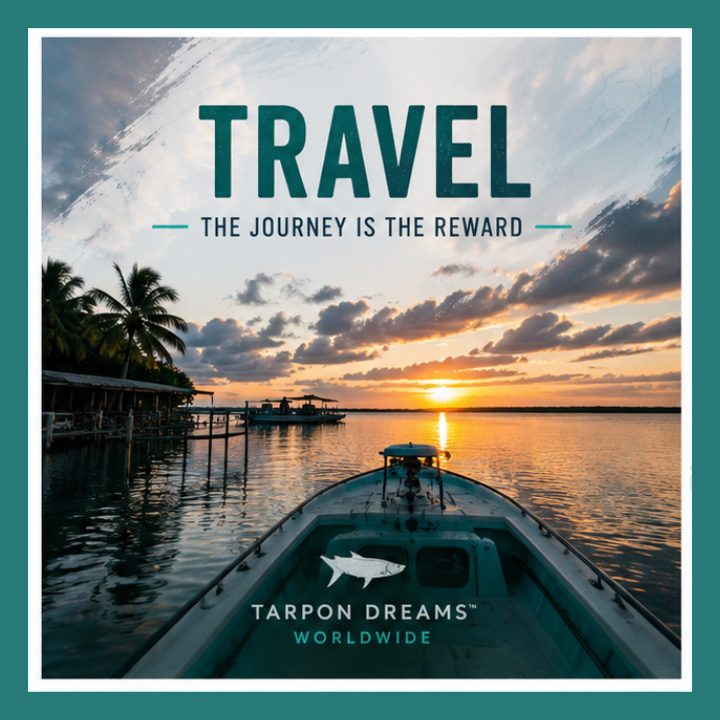
TRAVEL
Tarpon Dreams™ Specializes in Tarpon Fishing Travel!
Let us Help you put together the absolute Best Tarpon Fishing Trip or Tarpon Fishing Vacation Possible. From Early Itinerary Planning to Flights, Transfers, Places to Stay, Car Rentals if needed, Dining, Entertainment, other Experiences! ALL of IT!
FISH · TRAVEL · EXPLORE · WEAR IT
Learn More About
Loiza & Laguna La Torrecilla in P.R.
Where mangroves, brackish water and protected lagoon habitat create one of northeast Puerto Rico’s most interesting juvenile tarpon environments.
Tarpon Trip Planning
Planning a tarpon fishing trip starts with more than picking a destination and booking a flight.
The best trips are built around the fishery first: the right season, the right water, the right guide or lodge, and the kind of tarpon fishing you actually want to experience.
Once those pieces are in place, the travel becomes much easier to organize around them, including flights, transfers, lodging, rental cars, meals, and any extra days you want to spend exploring the destination.
That approach is what makes tarpon trip planning different from ordinary vacation planning.
Instead of choosing a hotel first and hoping the fishing fits around it, start with the fishing objective and build the full trip outward.
Whether you are planning a Florida, Puerto Rico, Belize, Mexico, Costa Rica, Bahamas, or Caribbean tarpon trip, matching the fishery, timing, guide, and travel logistics gives you a better chance of ending up with both better fishing and a better overall experience.
Follow the Tarpon Trail
the "TD" Tarpon Trail
A great tarpon trip rarely ends with just one destination. Once you start fishing different waters across Florida, Puerto Rico, Mexico, Belize, Costa Rica and the wider Caribbean, the trips begin to connect. That is the idea behind the Tarpon Trail: a growing network of tarpon fishing destinations worth experiencing, comparing and returning to over time.
Tarpon Dreams is building the Atlantic & Caribbean Tarpon Trail one destination at a time, combining fishing, guides, lodges, travel logistics and the experiences surrounding each fishery. The goal is simple: help anglers discover where they should fish next, then make the next stop on the Tarpon Trail easier to plan.
More Tarpon Fishing Destinations



9 Destinations.
2 to 3 Lodges per Destination. Unlimited Tarpon Fishing Opportunities...
Tarpon Dreams is not trying to create the largest possible directory of places where somebody once caught a tarpon.
We are interested in destinations that are actually worth understanding.

The Tarpon Dreams™ Destination Decision Matrix
Use the Matrix Below...
Or DOWNLOAD the PDF
TRAVEL With Tarpon Dreams
EXPLORE
EXPLORE the Destinations...
Join our FREE Community to learn more about the destinations that interest you before you go!
Every trip leaves a mark.
Some are worth wearing.
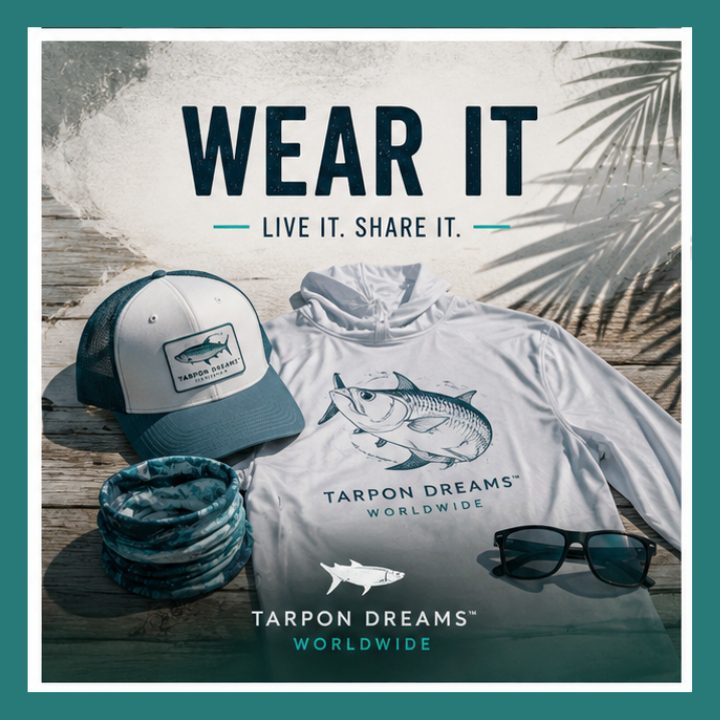
WEAR IT
WEAR IT
Somewhere along the way, a fishing obsession becomes part of your identity. It follows you onto the boat.
Into the airport. Through the marina. To breakfast.
And eventually into the closet.
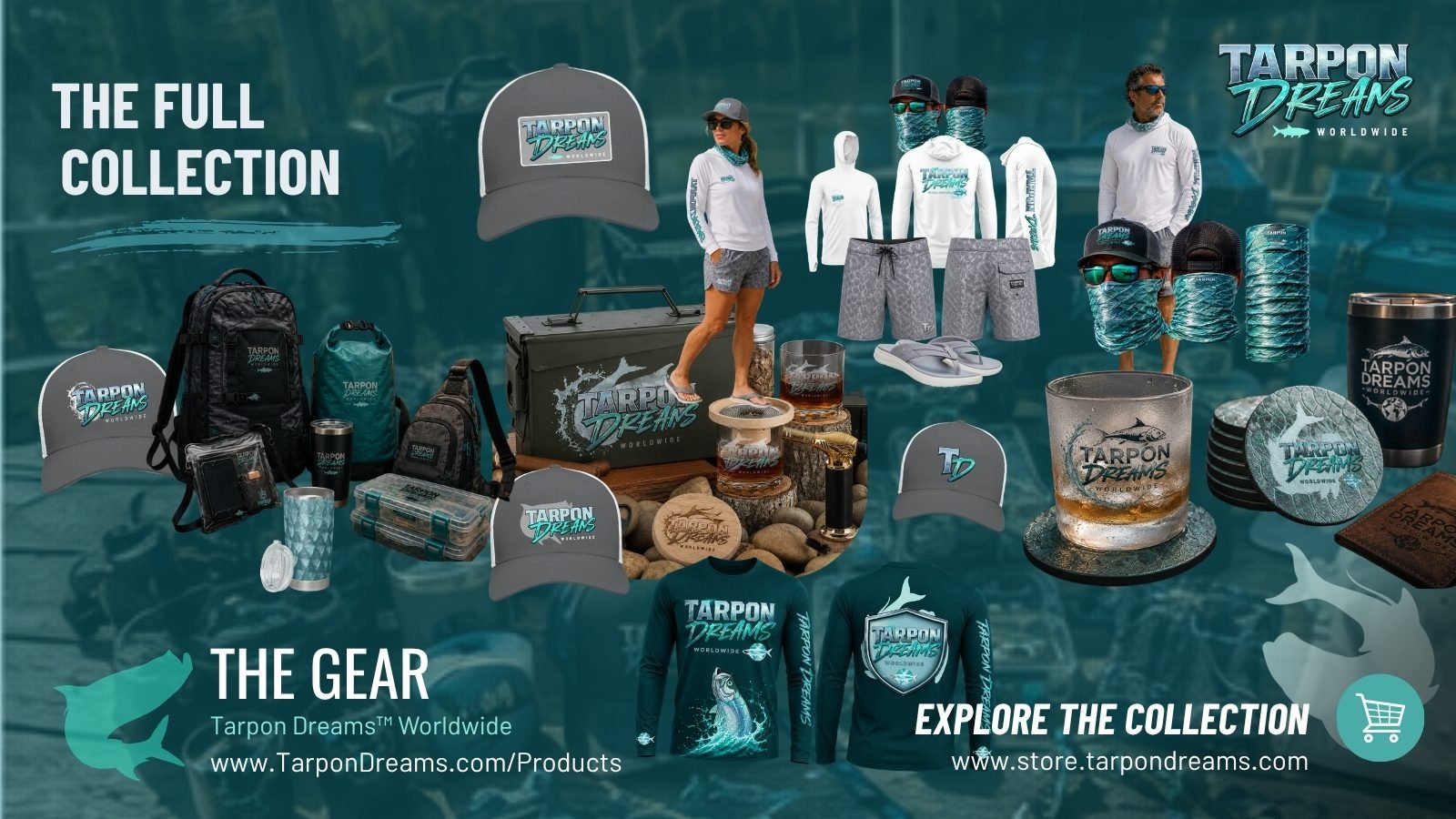
WEAR IT is the Tarpon Dreams lifestyle layer built around the fish, water, and destinations that brought us here.
FOLLOW US:
Click the Social Platform to Visit and Give Us a Follow!
Watch the
Tarpon Dreams™ "Welcome Film"
Tarpon Fishing, Travel, Lodges, Adventures & Lifestyle Apparel | The Welcome Film