Where Are We Chasing The Next Dream?
Tarpon Dreams adventures are built around unique fishing experiences, incredible destinations, and the stories created along the way.
Some adventures are available now.
Some are being planned. Some are still just ideas waiting for the right moment.
Follow along as we explore new fisheries, connect anglers with trusted partners, and create unforgettable experiences around the world.
Featured, Upcoming, And Future Adventures
TARPON DREAMS™ CURRENT ADVENTURES
FISH · TRAVEL · EXPLORE · WEAR IT
CURRENT ADVENTURES

Tarpon Dreams Tarpon Trips

See all of what we have available... Right Now!
Puerto Rico Tarpon Fishing Adventures
STATUS:
GUIDE PARTNER
LODGING OPTIONS
DESTINATION INFO.
PLANNING RESOURCES
Upcoming Adventures
COMING SOON:
BELIZE
BAHAMAS
COSTA RICA
U.S. VIRGIN ISLANDS
EXPEDITION OPPORTUNITIES
EXPLORE:
TD HOSTED TRIPS
INVITATION-ONLY TRIPS
COMMUNITY ADVENTURES
NAVIGATION:

The World is a Lot Bigger than Your Home Waters
Every Adventure Starts Somewhere...
FISH
Connect with the water.
Pursue the thrill.
Respect the experience.

TRAVEL
Journey to new places.
Seek unforgettable destinations.
EXPLORE
Go beyond the obvious.
Discover the hidden.
Live the adventure.
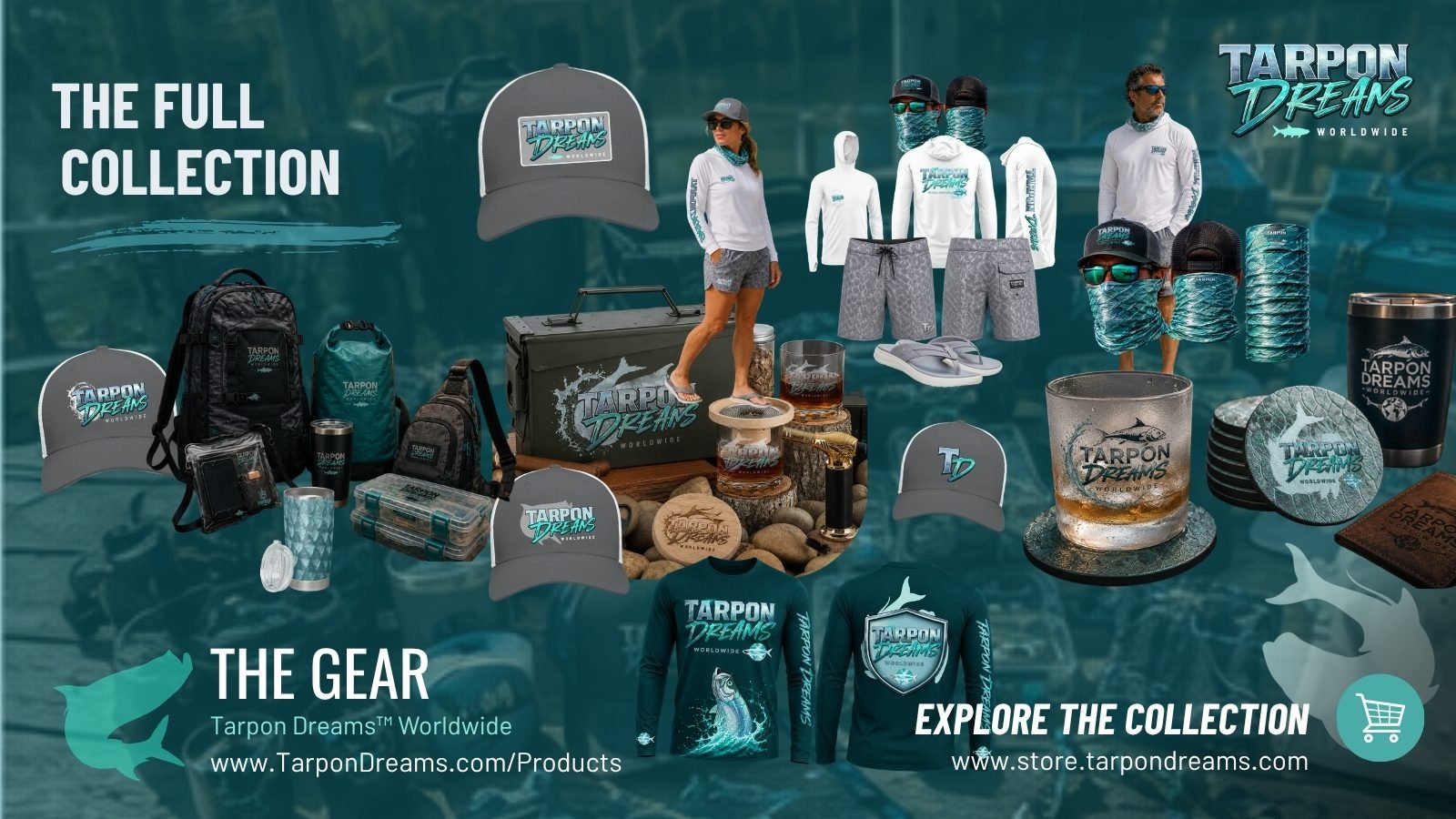
WEAR IT
Carry the memories.
Represent the lifestyle.
Live the dream.
CHOOSE YOUR ADVENTURE
Puerto Rico Lagoon Tarpon & Flats Slams
Fun, Easy, Affordable Trips...
Non-Stop Flights, NO Passports Required...
WHY TARPON DREAMS?
Real Experience. Trusted Partners. Flexible Trips. Unforgettable Adventures.
We work with trusted local captains & lodging partners who share our passion for exceptional experiences.
Trip plans built around tide windows, your schedule, and your style of travel—choose what works best for you.
Firsthand experience and local insider knowledge help you make the most of every moment on the water.
Great fishing trips for every budget. Choose your lodging, guide time & travel style. We'll handle the rest.
Everything You Need To Plan Your Trip
Trip Planning Knowledge Center
Everything we've learned from planning and experiencing fishing adventures.
Whether you're traveling to Puerto Rico, Florida, Belize, Costa Rica, or beyond, these guides help answer the questions every angler eventually asks.
Travel Planning Guide
 How far in advance should I book a fishing trip?
- 2 Weeks Minimum is a Good Rule of Thumb.
- If you are Fishing Focused, versus Vacationing, Family Travel, check Moon Cycles (New Moon / Full Moon), Tides etc. Your Guide will discuss this if you book in advance and call / email with a few questions.
DIY vs Guided Fishing Trips
- When flying into a NEW Destination, Guided Trips are ALWAYS the Best Choice in our opinion. DIY in your home area is great. Once you leave "the Known", a guide pays for themselves many times over.
Best destinations for beginners
- Our #1 SPOT for Beginners (or Intermediate / Advanced) is Puerto Rico. Laguna Le Torrecilla.
- WHY? The Sheer Concentration of Juvenile Tarpon is immense. It is TRULY a Bio-Mass Fishing Zone. This is NOT opinion. This is documented scientific data.
- If you want to catch a Tarpon, your Guide can use various techniques depending on conditions. The "Close" to 100% shot at Hook Ups are Dead Baiting in the Lagoon in areas where you see rolling fish. Juvenile Tarpon are Active, Hungry & Competitive.
Best destinations for experienced anglers
- This is a MORE Difficult Question. WHY? Even Experienced Anglers want Shots at Fish, Hook-Ups, Jumps and Opportunities to CATCH Tarpon.
- With that said, Experience Level really only changes methods / tactics. Switching from Dead Bait to LIVE Bait (Sardines, Threadfins, Mojarra) increase the difficulty to some degree.
- Then moving to Artificials thrown in High Probability Zones (Channels, Funnels, Cuts, Mangrove Edges and other "Likely" areas) increases the challenge for experience anglers.
- Then the Ultimate Challenge is ALWAYS Tarpon Fishing with Fly Gear. Depending on Fish Target Size, an 8-9wt, 10-11wt Fly Rod & Reel are the most challenging and rewarding method of catching tarpon (or any other fish for that matter).
- If you have more questions on this topic, feel free to reach out to us, or simply ask your guide in the destination / area you will be fishing.
 TRAVEL
How Do I Choose The Right Destination?
Choosing the right fishing destination depends on more than just the fish you want to catch.
Consider:
- Species
- Time of year
- Budget
- Travel distance
- Fishing style
- Who is traveling with you
Some anglers want a hardcore fishing adventure. Others want a destination where fishing is part of a larger experience with beaches, restaurants, culture, and exploration.
At Tarpon Dreams, we focus on destinations we believe offer the right combination of fishing opportunity, accessibility, and overall experience.
The "best" destination is the one that matches your dream trip.
How Far In Advance Should I Plan A Fishing Trip?
The answer depends on the destination, season, and availability.
Popular guides, accommodations, and peak fishing windows can fill months in advance. However, many destinations also offer flexibility during shoulder seasons.
For bucket-list trips, we recommend planning ahead:
- Research early
- Understand seasonal patterns
- Identify guides and lodging
- Build around favorable conditions
Great trips usually begin long before the first cast.
Flights: How Do I Find The Best Options?
Flights are often one of the biggest variables in planning a fishing adventure.
Consider:
- Nonstop vs connecting flights
- Arrival and departure times
- Baggage fees
- Traveling with fishing equipment
- Rental car availability
Sometimes the cheapest flight is not the best value if it creates missed fishing time or complicated logistics.
A few extra dollars can sometimes buy a much smoother experience.
Do I Need A Rental Car?
Not always.
It depends on the destination and your style of travel.
Consider:
Rental Car Advantages
- Explore independently
- Visit restaurants and attractions
- Carry gear easily
- Build a flexible itinerary
Rental Car Advantages
- Lower cost
- Easier airport logistics
- Uber/taxi options
- Less responsibility
Some destinations are extremely easy without a vehicle. Others are much better with wheels.
Should I Travel Alone, With Friends, Or Bring Family?
- Fishing trips can be built around almost any group.
- Solo trips can provide the ultimate freedom.
- Fishing buddies create shared memories.
- Couples and families can create a destination experience where everyone enjoys the adventure.
- The key is planning a trip that matches everyone's expectations before you leave home.
What Documents Do I Need For A Fishing Trip?
Requirements vary by destination.
Before traveling, check:
- Passport requirements
- Identification
- Fishing licenses
- Travel insurance
- Local regulations
- Rental vehicle requirements
Domestic destinations may be simple, while international trips require additional preparation.
A little planning before departure prevents unnecessary stress when you arrive.
How Do I Pack For A Fishing Vacation?
Packing depends on the destination and fishing style.
Common considerations:
- Weather conditions
- Sun protection
- Clothing layers
- Footwear
- Fishing gear
- Electronics
- Camera equipment
Many anglers overpack gear and underpack comfort items.
The goal is not to bring everything you own.
The goal is bringing what helps you enjoy the experience.
What Is The Best Time Of Year To Travel?
There is no universal "best month."
Every destination has different seasons, weather patterns, migrations, tides, and opportunities.
The best time depends on:
- Target species
- Fishing style
- Weather tolerance
- Crowds
- Budget
Sometimes the best experiences happen outside the traditional peak season.
Should I Combine Fishing With A Vacation?
Absolutely.
Many of the world's best fishing destinations are also incredible travel destinations.
A great trip can include:
- Fishing
- Local food
- Beaches
- Culture
- Wildlife
- Exploration
The best memories often happen before and after the fishing.
Hotel vs Airbnb
(Which Is Better For A Fishing Trip?)
- There is no universal answer. The right choice depends on your destination, fishing style, and who is traveling with you.
Hotels often provide convenience, predictable service, restaurants, pools, and easy options for travelers who want a traditional vacation experience. They can be especially attractive for couples or families where fishing is only part of the trip.
Airbnb and vacation rentals often provide a different experience—more space, kitchens, waterfront locations, local neighborhoods, and the ability to truly settle into a destination. For anglers, having a place to store gear, prepare meals, relax after a long day on the water, or watch the sunset over the fishing grounds can completely change the experience.
At Tarpon Dreams, we believe the best lodging is the place that puts you closer to the experience you came for.
Waterfront vs inland
(Does Location Really Matter?)
- For fishing trips, location is often one of the biggest decisions you'll make. Waterfront lodging is not always required, but it can add something special that is hard to replicate. Waking up beside the water, watching bait move, seeing birds work, or having a sunset view after a day of fishing creates memories beyond the fishing itself.
That said, waterfront usually comes with a higher price tag. Sometimes staying a few minutes inland gives you better value, easier access to restaurants and attractions, and more flexibility.
The key question is not simply "waterfront or not?"
Ask: Does this location improve the overall experience of the trip?
A great fishing trip combines access, comfort, convenience, and the feeling that you are truly somewhere special.
Family considerations:
(Fishing Trips Are Not Always Just Fishing Trips)
- Many anglers travel with a spouse, family members, or friends who may not fish every day.
The best fishing destinations offer more than just time on the water. Consider:- Beaches and outdoor activities
- Restaurants and local culture
- Safety and convenience
- Transportation needs
- Comfortable accommodations
- Non-fishing activities nearby
- A successful fishing vacation means everyone has a great experience—even the person who never picks up a rod.
At Tarpon Dreams, we believe the best trips create memories for everyone traveling, not just the angler holding the rod.
How Does The Fishing Work In Puerto Rico's Lagoon System?
Puerto Rico's lagoon system offers a completely different tarpon experience than traditional coastal tarpon fisheries.
The Torrecilla, San José, and Carolina lagoon system near San Juan is home to resident juvenile tarpon that live and feed in protected mangrove channels, deeper basins, and connected waterways throughout the year.
Fishing is typically done from shallow-water skiffs or flats-style boats while searching for rolling tarpon, feeding activity, bait movement, and favorable conditions.
Guides adjust locations and techniques based on tides, weather, water conditions, bait presence, and fish behavior.
The experience is not simply about catching a tarpon. It is about understanding the ecosystem and experiencing one of the most unique accessible juvenile tarpon fisheries in the Caribbean.
What Fish Can I Catch Besides Tarpon?
While the lagoon system supports a variety of species, the defining experience of this fishery is tarpon.
This is primarily a tarpon-focused lagoon environment.
Other species are present, but their locations and activity are strongly influenced by tidal exchange, salinity, oxygen levels, habitat, and seasonal conditions.
Anglers may encounter species such as snook, especially in connected creeks and channels, along with mangrove snapper around shoreline structure.
Jacks and ladyfish are more commonly associated with areas receiving stronger tidal influence and closer connections to coastal waters.
The reason anglers travel here is not to chase a mixed bag.
They come to experience resident juvenile tarpon in a unique tropical lagoon ecosystem.
Do I Need Experience To Fish For Tarpon?
No.
Lagoon tarpon fishing is an incredible experience for both first-time tarpon anglers and experienced fishermen.
New anglers receive instruction on casting, presentations, hook sets, and the unique challenge of fighting a tarpon.
Experienced anglers appreciate the technical side of reading the water, understanding fish behavior, and presenting the right opportunity.
The first tarpon encounter is something many anglers remember forever.
What Gear Is Recommended For Lagoon Tarpon Fishing?
Before jumping into this ANSWER, know clearly, that the Guides provide ALL of the Tackle you will need. You JUST Show Up at the Dock.
However, you are FREE to bring your own Travel Gear.
( I bring my own gear. Want to know what I use? )
Lagoon tarpon can be targeted using both fly and conventional tackle.
Many anglers use 8 to 10 weight fly rods or medium-heavy spinning setups with braided line and strong fluorocarbon leaders.
Successful presentations often imitate the baitfish and forage species found throughout the lagoon system.
Guides can provide recommendations based on conditions, experience level, and fishing style.
The most important piece of equipment is not always the rod.
Understanding the fish, the environment, and the timing of the opportunity is what makes the difference.
What Is The Best Time Of Year To Fish Puerto Rico For Tarpon?
One of the advantages of Puerto Rico's lagoon tarpon fishery is that it is not limited to a short seasonal window.
Resident juvenile tarpon are available throughout much of the year, with opportunities changing based on water temperature, rainfall, bait availability, weather patterns, moon phases, and tidal movement.
Many anglers focus on favorable tide windows and new moon periods because these conditions can increase feeding activity.
There is no single perfect month.
The best experience comes from understanding the conditions and planning around the opportunities available.
How Long Are Tarpon Fishing Trips And What Is Included?
Tarpon Dreams trip options are designed around different travel styles, schedules, and fishing goals.
Most of our Partner Guides Offer: 4 Hour, 6 Hour, Full-Day Charters.
Options may include half-day adventures for travelers wanting to experience lagoon tarpon fishing and full-day trips for anglers looking to maximize time on the water.
Guide partners typically provide boats, tackle, and local knowledge.
Trip details, equipment needs, and inclusions should always be confirmed when planning your adventure.
Tarpon Dreams helps connect anglers with trusted local partners and experiences built around the destination.
Is Lagoon Tarpon Fishing The Same As Traditional Tarpon Fishing?
No.
Tarpon fishing changes dramatically depending on location and environment.
Traditional fisheries may involve beaches, passes, migrations, and open-water opportunities targeting larger adult tarpon.
Puerto Rico's lagoon system offers a different experience.
These protected waters provide opportunities to observe and target resident juvenile tarpon among mangroves, channels, and shallow-water environments.
The fish may not be the same size as some legendary adult tarpon fisheries, but the visual excitement, technical challenge, and unique ecosystem create an unforgettable experience.
What Makes Puerto Rico's Lagoon Tarpon Fishing Special?
Every tarpon destination has its own personality.
Puerto Rico's lagoon system stands out because of its accessibility, year-round opportunities, biodiversity, and unique environment.
Within minutes of San Juan, anglers can experience a tropical fishery surrounded by mangroves, wildlife, bait activity, and resident tarpon populations.
Few destinations combine convenient travel, incredible scenery, and a specialized tarpon experience in the same way.
For many anglers, the magic is not only the fish.
It is the entire adventure!
How Much Does A Fishing Trip Really Cost?
The cost of a fishing adventure can vary dramatically depending on the destination, travel style, lodging choices, fishing time, and overall experience you want.
The biggest variables are usually:
- Flights
- Lodging
- Guide fees
- Transportation
- Food and drinks
- Gear
Some anglers build affordable trips focused on maximizing time on the water.
Others prefer premium accommodations, longer stays, and additional experiences.
At Tarpon Dreams, we believe there is no single "right" budget.
The goal is building a trip that matches your priorities and creates an experience worth remembering.
How Much Should I Budget For A Fishing Trip?
A realistic budget depends on the destination and the type of trip you want to create.
A fishing trip can range from a simple affordable adventure to a premium bucket-list experience.
Factors that influence your total cost include:
- Destination
- Length of stay
- Number of fishing days
- Lodging style
- Transportation
- Dining preferences
- Additional activities
The most expensive trip is not always the most memorable.
The best trips are the ones where the experience matches your expectations.
Where Should I Spend My Money On A Fishing Trip?
Every angler has different priorities.
Some travelers prefer to invest more in:
- Additional days on the water
- Premium guides
- Unique destinations
- Better accommodations
Others may choose to save money on lodging or transportation and extend the trip.
For many anglers, the fishing experience is the hardest thing to replace.
A missed day on the water cannot be recovered once the trip is over.
Spend your budget where it creates the memories you value most.
Can I Take A Great Fishing Trip Without Spending A Fortune?
Absolutely.
Some of the most memorable fishing adventures are not the most expensive ones.
- Smart planning can make a major difference:
- Travel during less crowded periods
- Choose lodging that fits your needs
- Research flights carefully
- Fish with reputable local guides
- Build an itinerary around your priorities
Many world-class fishing experiences are more accessible than people realize.
The key is knowing where your money creates the most value.
How Much Does A Guided Fishing Trip Cost?
Guide pricing varies based on location, species, boat type, trip length, and demand.
Important factors include:
- Half-day versus full-day trips
- Number of anglers
- Specialized equipment
- Local expertise
- Destination popularity
A guide is not simply providing a boat ride.
You are paying for years of local knowledge, preparation, decision-making, and the ability to put you in the best possible position for success.
Should I Spend More Days Fishing Or More Days Traveling?
This depends on your personal goals.
Some anglers travel specifically to maximize time on the water.
Others want a balanced adventure that includes fishing, food, culture, exploration, and relaxation.
A successful trip considers:
- Fishing opportunity
- Recovery time
- Travel logistics
- Companion preferences
- Overall enjoyment
The perfect balance is different for every traveler.
What Is The Best Way To Plan A Fishing Trip Budget?
Start by deciding what matters most.
Ask yourself:
- What species do I want to catch?
- How much time do I have?
- Who is traveling with me?
- How important is lodging?
- How many days do I want to fish?
Once those priorities are clear, the budget becomes much easier to build.
A great fishing adventure is not about spending the most money.
It is about creating the right experience..
GEAR
What Gear Do I Need For A Tarpon Fishing Trip?
The right gear depends on the destination, fishing style, species, and whether you are traveling with your own equipment or using guide-provided tackle.
For many guided fishing trips, especially international destinations, bringing every piece of gear you own is unnecessary.
The goal is to bring what helps you enjoy the experience while keeping travel simple.
Common considerations include:
- Rod and reel setup
- Line and leader choices
- Flies, lures, and terminal tackle
- Sun protection
- Clothing and footwear
- Electronics and cameras
- Travel-friendly storage solutions
Great fishing trips are usually not about bringing more gear.
They are about bringing the right gear.
Should I Bring My Own Fishing Gear Or Use Guide Equipment?
Both options can work depending on the destination and your personal preferences.
Using guide equipment can provide several advantages:
- Less airline hassle
- No oversized baggage concerns
- Local tackle designed for current conditions
- The ability to travel lighter
Experienced anglers may prefer bringing their own equipment because they are comfortable with their setup and enjoy fishing familiar gear.
Before traveling, always confirm what your guide provides and what you should bring.
What Rod And Reel Setup Is Recommended For Tarpon Fishing?
Tarpon require equipment that matches the size of fish, fishing environment, and technique being used.
For juvenile tarpon in lagoon systems, common setups include:
Spinning tackle:
Medium to medium-heavy spinning rods paired with strong reels.
Fly fishing:
8 to 10 weight fly rods are commonly used for juvenile tarpon opportunities.
Important considerations include:
- Reliable drag systems
- Quality line capacity
- Strong leaders
- Equipment you can confidently cast and handle
The best setup is the one you can use effectively when the opportunity arrives.
What Should I Pack For Sun Protection And Comfort?
Many fishing trips involve long hours exposed to sun, wind, heat, and changing weather conditions.
Essential comfort items include:
- Performance fishing shirts
- UPF sun hoodies
- Polarized sunglasses
- Sunscreen
- Neck gaiters or buffs
- Lightweight rain protection
- Comfortable footwear
Comfort is not a luxury on a fishing trip.
It allows you to stay focused, enjoy more time on the water, and make better memories.
Should I Bring Fishing Equipment On An Airplane?
Traveling with fishing gear requires some planning.
Before flying, consider:
- Airline baggage policies
- Rod tube requirements
- Reel and tackle storage
- Weight limits
- Destination regulations
Many anglers prefer traveling with a simple, efficient setup rather than transporting their entire collection of equipment.
A well-planned travel setup can make the journey much easier.
What Gear Do I Need For A Puerto Rico Lagoon Tarpon Trip?
Puerto Rico lagoon tarpon fishing can be approached with both spinning and fly tackle.
Many anglers use:
Spinning:
Medium-heavy spinning rods with braided line and strong fluorocarbon leaders.
Fly:
8 to 10 weight rods with tarpon-style flies and appropriate leaders.
Additional items to consider:
- Polarized sunglasses for spotting fish
- Long leader material
- Reliable knots
- Sun protection
- Waterproof storage for electronics
The most important gear is not just what is in your bag.
It is understanding the environment, reading the conditions, and being prepared when a tarpon decides to eat.
What Fishing Gear Should I Always Have With Me?
A few items can make a major difference during any fishing adventure.
Consider carrying:
- Quality polarized sunglasses
- Sun protection
- Rain protection
- Basic tools
- Extra terminal tackle
- Camera or action camera
- Waterproof phone protection
The best fishing memories are often unexpected.
Being prepared helps make sure you can capture them.
Do I Need Expensive Gear To Catch Tarpon?
No.
Quality equipment helps, but expensive gear does not replace preparation, timing, and understanding the fish.
A properly matched setup, good knots, and confidence using your equipment matter more than simply owning the most expensive products.
Tarpon Dreams believes the adventure comes first.
The gear is simply the tool that helps you experience it.
SAFETY & RESPONSIBILITY
How Do I Choose A Safe Fishing Destination?
A great fishing adventure starts with good preparation.
Safety considerations should include:
- Reliable local guides
- Weather patterns
- Travel conditions
- Local regulations
- Transportation options
- Emergency planning
- Understanding the environment
The goal is not to eliminate adventure.
The goal is to be prepared so you can enjoy the experience with confidence.
How Do I Choose A Reliable Fishing Guide?
A quality guide is one of the most important parts of a successful fishing trip.
Look for:
- Local experience
- Knowledge of the fishery
- Professional communication
- Proper equipment
- Safety awareness
- Respect for fish and the environment
A great guide does more than put you on fish.
They help you understand the destination, make good decisions on the water, and create a memorable experience.
What Should I Know Before Fishing In A New Location?
Every fishery has unique conditions.
Before arriving, research:
- Target species
- Seasonal patterns
- Weather conditions
- Tides and currents
- Local regulations
- Required licenses
- Recommended equipment
Understanding the environment helps you arrive prepared and make the most of your time on the water.
How Can I Stay Safe During A Fishing Trip?
Most fishing adventures are enjoyable because anglers respect the environment and prepare properly.
Important considerations include:
- Sun protection
- Hydration
- Weather awareness
- Proper clothing
- Following guide instructions
- Using appropriate safety equipment
- Knowing your personal limits
Small decisions before and during the trip can make a major difference.
How Do I Practice Responsible Catch And Release Fishing?
Responsible fishing protects the experiences anglers hope to enjoy for generations.
- Good practices include:
- Using appropriate tackle
- Reducing fight times when possible
- Handling fish carefully
- Minimizing time out of the water
- Following local regulations
- Respecting seasonal and conservation guidelines
The goal is not simply catching a fish.
The goal is preserving the opportunity to experience these incredible species in the future.
What Should I Know About Fishing In Tropical Environments?
Tropical fisheries offer incredible opportunities, but they also require awareness.
Consider:
- Strong sun exposure
- Heat and humidity
- Changing weather conditions
- Wildlife interactions
- Water conditions
- Remote locations
Preparation allows you to focus on the experience instead of avoidable problems.
How Do I Prepare For International Fishing Travel?
International fishing adventures require a little more planning.
Before traveling, consider:
- Passport requirements
- Travel insurance
- Local regulations
- Currency and payments
- Communication options
- Transportation
- Emergency contacts
A few extra steps before departure can make international travel much smoother.
Why Does Responsible Fishing Matter To Tarpon Dreams?
Tarpon Dreams believes the future of fishing depends on respecting the fish, the environment, and the communities that make these adventures possible.
Responsible anglers:
- Respect local ecosystems
- Support ethical guides
- Follow regulations
- Practice good fish handling
- Leave destinations better than they found them
The goal is not just to catch fish.
It is to protect the experiences that inspire us to travel in the first place.
BEYOND THE FISH
What Makes A Great Fishing Destination Experience?
A great fishing destination is about more than what happens when the line gets tight.
The best adventures combine:
- Great fishing opportunities
- A memorable location
- Comfortable lodging
- Local food and culture
- Time to explore
Experiences shared with friends and family
Every destination has its own personality.
Some places are remote and focused entirely on the outdoors.
Others combine incredible fishing with beaches, restaurants, history, wildlife, and local experiences.
At Tarpon Dreams, we believe the destination is part of the adventure.
The fish may be the reason you travel.
The entire experience is what makes you remember the trip.
Can I Combine Fishing With A Vacation?
Absolutely.
Many of the world's best fishing destinations are also incredible places to explore.
A fishing adventure can include:
- Days on the water
- Local restaurants
- Beaches
- Cultural experiences
- Wildlife encounters
- Photography
- Relaxation
Combining fishing with travel allows everyone in your group to create memories, even if they are not holding a fishing rod.
The perfect fishing trip does not have to be an either-or decision.
It can be the best of both worlds.
What Can Non-Anglers Do While I Am Fishing?
A great fishing destination should offer experiences for everyone traveling with you.
Non-anglers may enjoy:
- Beaches and outdoor activities
- Local shopping
- Restaurants and food experiences
- Historical locations
- Wildlife and nature
- Photography opportunities
- Relaxation and sightseeing
The goal is not to separate fishing from the rest of the trip.
The goal is choosing a destination where everyone can enjoy their own adventure.
How Do I Plan A Trip For Family Or Friends?
Group travel requires understanding that everyone may have different goals.
Before planning, consider:
- Who is traveling
- Fishing expectations
- Non-fishing activities
- Lodging preferences
- Budget considerations
- Travel schedules
The best group trips create balance.
Some people may want every day on the water.
Others may want a mix of fishing, exploration, and relaxation.
Good planning helps everyone enjoy the experience.
What Should I Experience Outside Of Fishing?
The moments outside of fishing often become some of the best memories from a trip.
Consider experiencing:
- Local cuisine
- Unique landscapes
- Wildlife
- Culture and history
- Outdoor adventures
- Local communities
- Photography opportunities
- Fishing introduces you to a destination.
- Exploring helps you understand it.
How Important Are Food, Culture, And Local Experiences?
They are a major part of what makes travel memorable.
A destination is not just a place where you catch fish.
It is a place with:
- People
- Stories
- Traditions
- Food
- Landscapes
- History
Trying local food, meeting local people, and experiencing the culture around the fishery creates a deeper connection to the destination.
The best fishing trips become stories you tell for years.
Should I Add Extra Days Before Or After Fishing?
In many cases, yes.
Adding extra time before or after your fishing days can improve the overall experience.
- Benefits include:
- More time to explore
- Flexibility for weather changes
- Less travel stress
- Opportunities for local experiences
- A more relaxed schedule
Many anglers focus so much on the fishing that they forget to experience the destination around them.
The fish may be the highlight of the trip.
But the adventure begins before the first cast and continues long after the last one.
RESOURCES
Here are some Great Links to Answer All of Your Questions!
STILL PLANNING?
Great Adventures Start Long Before The First Cast.
Not every trip begins with a booking.
Sometimes it starts with:
✧ Researching destinations ✧
✧ Learning seasonal patterns ✧
✧ Comparing fishing opportunities ✧
✧ Building the perfect itinerary ✧
Finding the right guide and lodging partners
Tarpon Dreams helps anglers turn ideas into real adventures.
Whether you are planning your first fishing trip or your next bucket-list destination, we are here to help you build the experience.